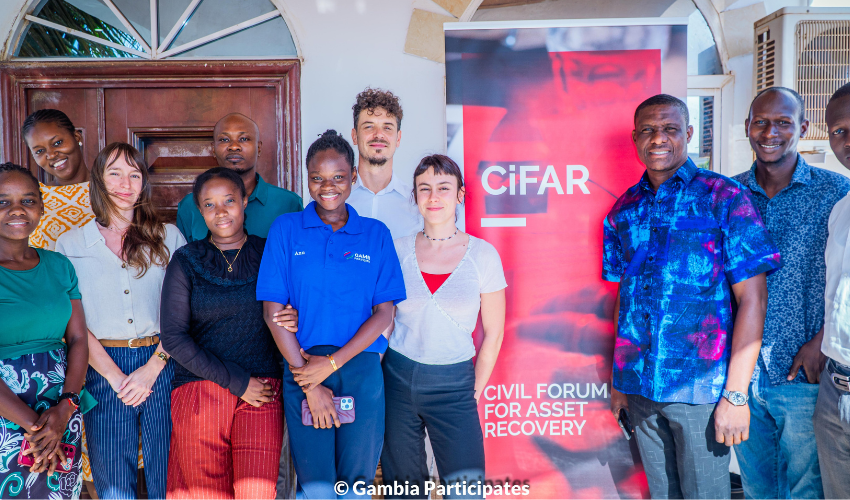
In early 2026, CiFAR launched a new project - Empowering Civil Society for Transparent and Inclusive Asset Recovery in West Africa. During two planning workshops in the Gambia and in Benin, we went through some of the main asset recovery cases across the continent, explored good practices for civil society engagement and planned activities for the coming months.
The last few years have seen a waning in the previous acceleration in the use of anti-corruption sanctions across all sanctioning jurisdictions, with relatively small changes to sanctions lists – both in terms of additions and removals. Larger changes however took place this year. The UK in April 2025 added 12 new people to its Global Anti-Corruption Sanctions and Switzerland in January 2026 designated 37 Venezuelans under its Foreign Illicit Assets Act.
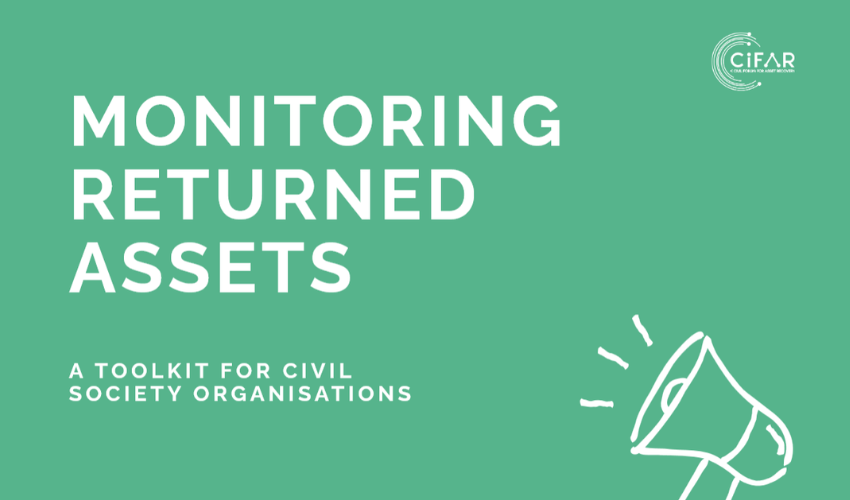
As global efforts to recover and repatriate the proceeds of corruption intensify, a critical question remains: how are these funds being used? To address this, CiFAR has launched Monitoring Returned Assets: A Toolkit for Civil Society Organisations, a comprehensive resource designed to ensure that recovered wealth truly benefits the public and is managed with the highest standards of integrity.
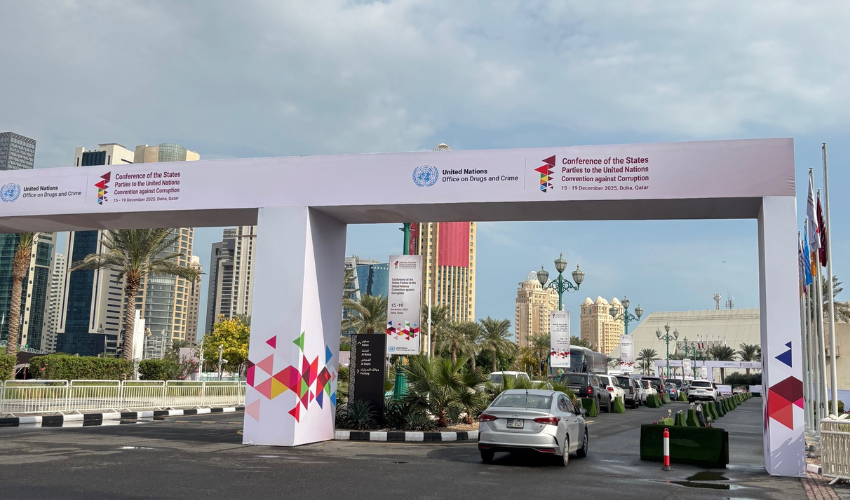
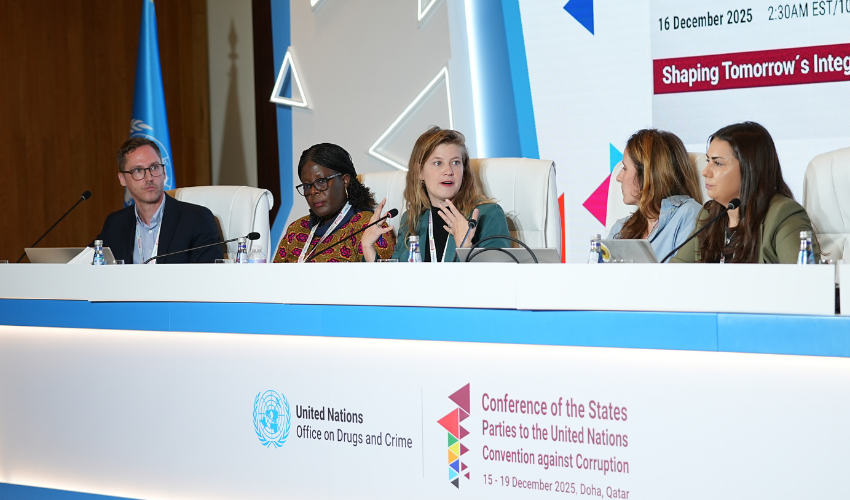
In December 2025, the UNCAC Conference of States Parties (CoSP) met in Doha to discuss the latest developments in anti-corruption at the global level and to agree new resolutions to advance and detail the provisions of the United Nations Convention Against Corruption.
Efforts to recover and return stolen assets are gaining momentum worldwide—but ensuring that returned assets are used transparently and for the public benefit remains a critical challenge. Civil society organisations are increasingly recognised as key actors in monitoring asset return processes, strengthening accountability, mitigating corruption risks, and building public trust.
As COSP 11 comes to a close in Doha, its clear that the fragmented and challenging international environment is continuing to make it hard for States committed to fighting corruption through accountable, transparent and participatory methods to make meaningful headway.
This paper looks at the challenges the ecosystem faces in addressing illicit finance. Illicit finance continues to pose a significant threat to the integrity of Kenya’s real estate sector. Although Kenya has addressed gaps in its anti-money laundering and countering the financing of terrorism (AML/CFT) laws and deficiencies identified in the 2022 Eastern and Southern Africa Anti-Money Laundering Group (ESAAMLG) Mutual Evaluation, the system still struggles in practice.
In this blog post, we dive into how the real estate ecosystem operates for different kinds of transactions, looking at the different actors who could or should be involved in different types of property or land sales and the ways in which the ecosystem should act to prevent money laundering. The purpose here is not to identify explicitly where failings could be happening – rather it is to set out process, to assist interested parties to understand how actors interact with each other.
Our report describes the key architecture current to 2025 that operates to prevent money laundering in the real estate sector in Kenya. It discusses the major players across five different categories of actors, the ways they work and the challenges they face. In doing so, it lays out the network that seeks to prevent and address money laundering into real estate in Kenya, as well as those actors seeking to introduce illicit finance into the sector or make it easier to do so.
This paper explores AML/CFT controls relevant to the real estate sector after three years of revision since the 2022 assessment. It outlines the supervisory roles and reporting obligations that apply to buyers, sellers and key intermediaries in real estate transactions.
Page 1 of 8
Next →